Germany Winter Travel Prep (Dec–Feb): City Weather Reality, eSIM No-Signal Fix vs. Three SIM & Frankfurt Walk
Key Takeaways
- Expect overcast skies or drizzle on 2 out of every 3 winter days in Germany with sunset by 4:30 PM—while Frankfurt feels damp and mild, Munich brings biting sub-zero Alpine winds and heavy January snow.
- If your European eSIM fails to connect upon landing or stalls crossing borders, disable 'Automatic Network Selection' in settings and manually lock onto Telekom.de or Vodafone.de to restore 5G/LTE instantly.
- Excluding hotels and rail passes, €35–€40 per day (~€360 over 10 days) comfortably covers daily food and sights; contactless cards work almost everywhere, requiring just €50–€100 ATM cash for €1 toilets and stalls.
1. Dec–Feb Weather Across Frankfurt, Berlin & Munich: What to Pack
Checking forecasts daily across Germany revealed sharp regional contrasts—plus rapid 4:30 PM winter nightfall:
| German Region | Dec–Feb Real Feel | Essential Packing Gear |
|---|---|---|
| Frankfurt & Heidelberg | Damp, mild (~3–8°C), frequent light rain | Waterproof shell + compact folding umbrella |
| Berlin (Northeast) | Gray skies with brisk continental wind chill | Mid-weight down parka, scarf & gloves |
| Munich & Bavaria (South) | Coldest by far! Sub-zero gusts & heavy snow | Heavy insulated winter coat + non-slip warm boots |
2. Europe eSIM vs. Three Physical SIM Tested Side-by-Side (Plus the 60-Second Fix)
Traveling as a pair across Germany, Czechia, Poland, and Austria, one phone ran a 30-day 10 GB Europe eSIM (~$17) while the other used a Three UK physical roaming SIM.
- What Went Wrong: Our eSIM refused to connect for a full hour after landing at Frankfurt Airport and occasionally stalled when crossing borders by train, whereas the physical Three SIM reconnected slightly faster.
- 60-Second Manual Carrier Fix:
- Before flying, dial
*#06#to confirm your phone displays anEIDnumber (confirming eSIM hardware support). - If turning Data Roaming ON still leaves zero data bars, open
Settings → Mobile Network → Network Operators, switch Automatic OFF, and manually selectTelekom.deorVodafone.de—forcing an immediate fresh handshake!
- Before flying, dial
3. Realistic Daily Germany Spending (€36/Day) & Card vs. Cash Ratio
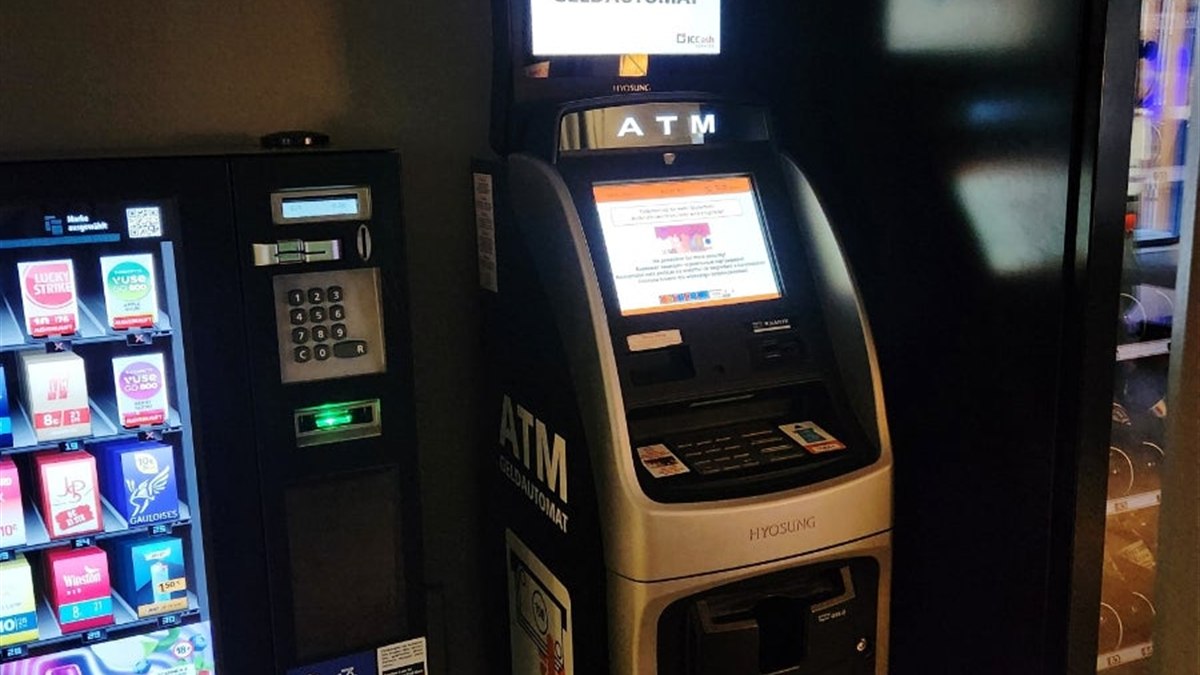
Once hotels and your €58 Deutschlandticket are paid, budgeting ~€36/day (€360 over 10 days) easily covers meals, snacks, and minor entries. Contactless cards work on transit machines, supermarkets, and restaurants—withdraw just €50–€100 once at a bank ATM for €1 station restrooms and cash-only snack stands.
4. Perfect 3-Hour Frankfurt Walking Loop: Eurotower, Römerberg & Schweinshaxe
Rather than dedicating full days to business-focused Frankfurt, pair arrival or departure with this compact flat walk from Frankfurt Hbf:
- Route: Frankfurt Hbf → 15-min walk to the giant € Euro Sculpture at Eurotower (visit in daylight) → half-timbered Römerberg Square & Fountain of Justice → gothic Frankfurt Cathedral (Kaiserdom) → sunset over the Main River from Eiserner Steg (Iron Footbridge).
- Hearty German Dinner: Steps from Römerberg, welcoming tavern Römer Pils Brunnen serves crispy roasted pork knuckle (Schweinshaxe), grilled sausages, and Frankfurt's signature tart apple wine (Apfelwein).
Frequently Asked Questions (FAQ)
Q. What power plug adapter is needed for Germany?
Germany uses standard European Type C / Type F two-round-pin 230V 50Hz outlets (identical to South Korea and continental Europe; US/UK/Australian travelers need a standard EU two-pin adapter).
Q. What hours should I schedule outdoor sightseeing in Germany during December and January?
Prioritize outdoor castles and old-town squares strictly between 9:00 AM and 3:30 PM, then save museums, cathedrals, shopping arcades, and indoor beer halls for after 4:00 PM dusk.